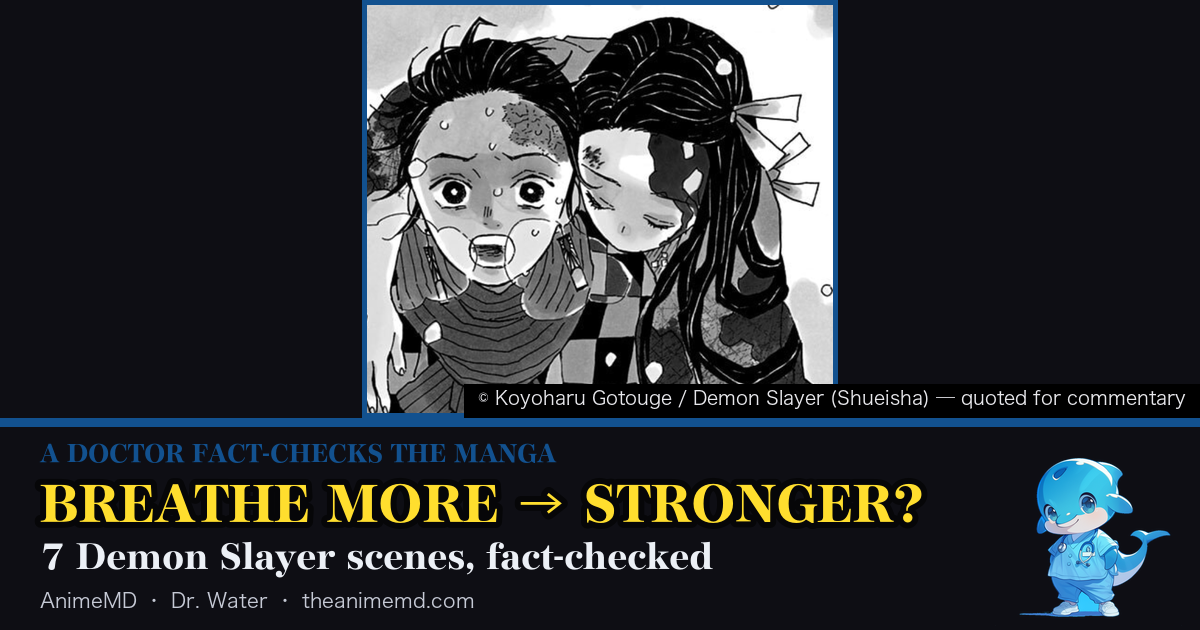
〈Body-Check #01〉 · a Dr. Water check-up
Hi. I’m Dr. Water 🐬. I’m a doctor — the unglamorous kind who spends his days keeping working adults healthy. Today, though, I’d like to talk about manga instead of blood pressure.
It started innocently. I reopened Volume 1 of Demon Slayer for the first time in years, and from the first chapter to the last, one question kept jamming up in my head: “Okay, but what would actually happen to a human body here?” Getting stronger by breathing. Turning into a demon through blood. Recovering by sleeping instead of eating. Regrowing severed limbs. Fighting all night on a freezing mountain. Every bit of it — the body. And if it’s about the body, a doctor really has no excuse not to check the math.
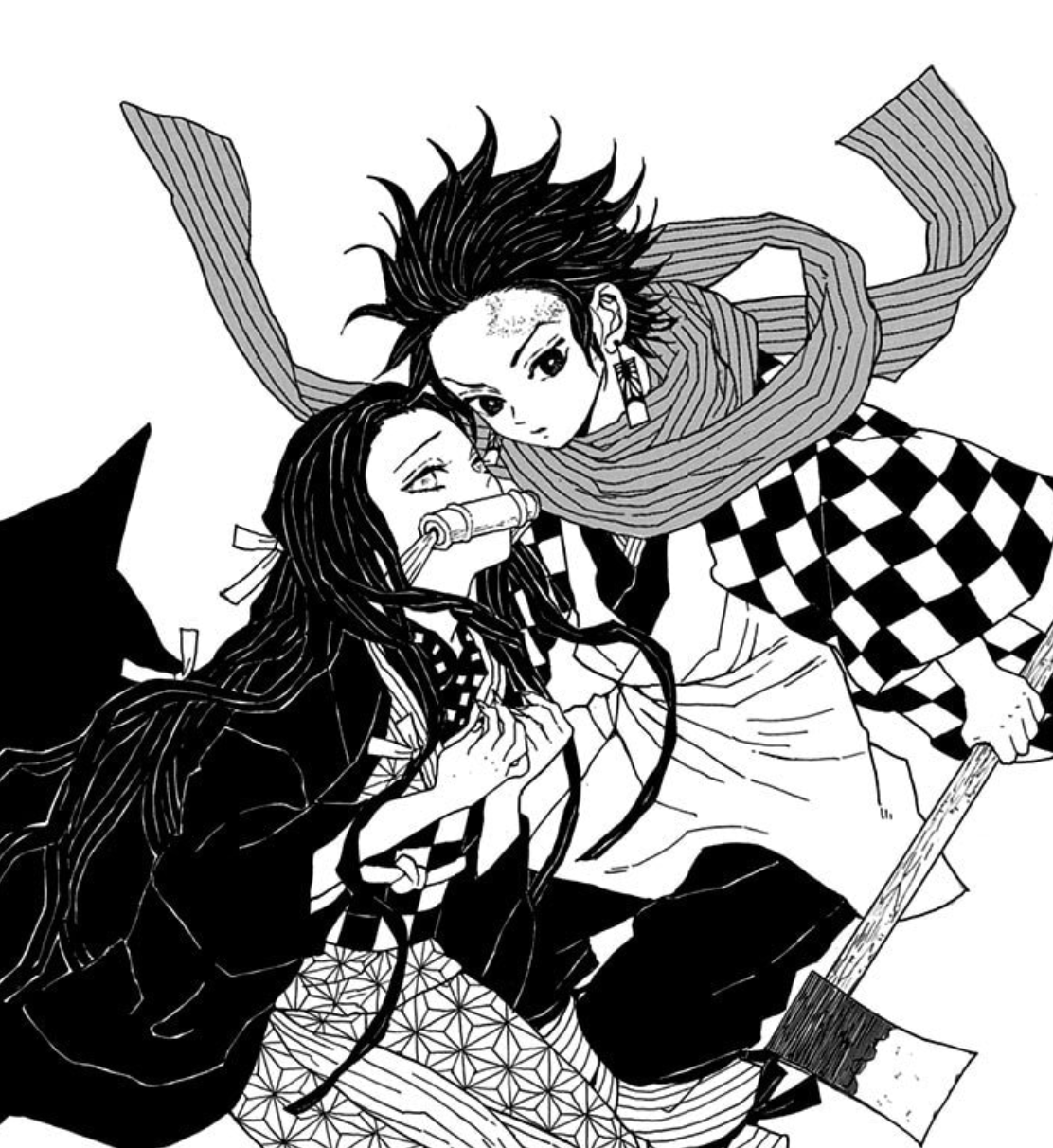
So here’s today’s plan: I read Volume 1 from the top, and fact-check seven scenes against real medicine. One scene, one verdict. About half land on “huh — actually kind of true,” about half on “yeah, that’s fantasy,” and exactly one on “please do not try this in real life.”
📚 Today’s “patient”: Koyoharu Gotouge, Demon Slayer: Kimetsu no Yaiba Vol. 1 (Shueisha). Read it the legit way on the official Manga Plus (VIZ).
The house rules
I’m not here to dunk on the manga. I’m here to ask, “if a human body did this, what would really happen?” — and back every medical claim with a paper (DOI, so I can’t quietly cheat). I don’t reproduce dialogue; I describe each scene in my own words, and where I show a panel, it’s a single official panel with a citation, used only because the scene itself is what I’m examining.
Scene 1 | Tanjiro’s nose — can a human smell be that good? Sharper than you’d ever admit.
Volume 1 opens on a snowy mountain, Tanjiro heading home from selling charcoal. He sniffs the air and knows something is wrong at the house before he can see a thing. Not just cold and snow — he smells trouble, from a distance. The whole “boy who reads the world with his nose” starts right here.
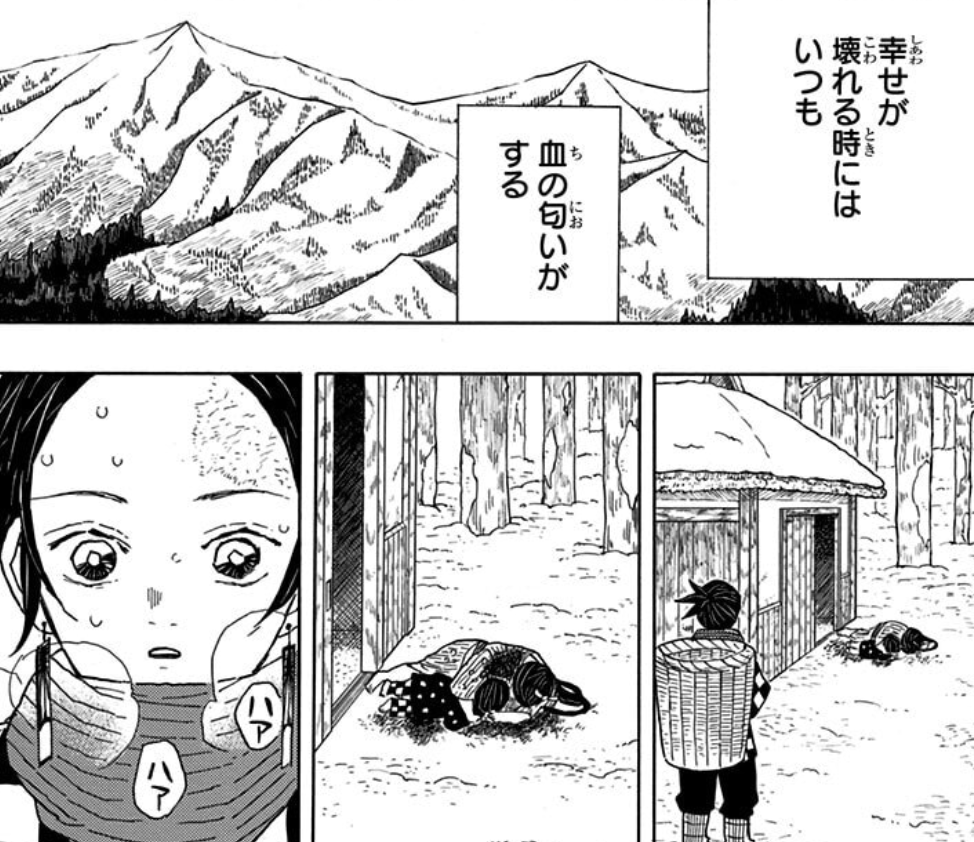
I’ll be honest: I’m more of an “ears” guy than a “nose” guy — I spend all day listening to people. But this panel makes me stop. Is the human nose actually that trustworthy?
For a long time textbooks lowballed us at “about 10,000 smells.” Then a mixture-discrimination study suggested humans can distinguish well over a trillion olfactory stimuli (Bushdid et al., Science 2014 — note: later reanalyses questioned the exact figure). So the raw hardware is there.
The real question is whether you can smell illness. Here’s where dogs get interesting: trained dogs may detect cancer from volatile organic compounds (VOCs) in breath, urine, and tissue (Brooks et al., Cancer Investigation 2015). Whether a human nose is Tanjiro-grade is another matter — but the premise that “your health leaks out of you as smell (VOCs)” is not nonsense at all. A kid who smells danger before he sees it is annoyingly hard to fully debunk. (My own nose tops out at judging coffee.)
Verdict: ○ partly true. Human olfactory resolution is higher than you’d think, and disease really does show up as odor. But smelling blood and danger this precisely, untrained, is dog-and-electronic-nose territory — that part’s the manga dialing it up.
Takeaway: Your body leaks its status as smell. You’re not Tanjiro, but your nose is a better diagnostic sensor than you give it credit for.
Scene 2 | Blood gets in and Nezuko changes — can blood rewrite your “species”? It carries disease, not a new you.
Early on, Nezuko takes demon blood into a wound, and her condition flips almost instantly. Fangs, sharp claws, and a gentle temperament overwritten so completely she reacts to her own brother. Blood enters the body, and who she is seems to get rewritten.
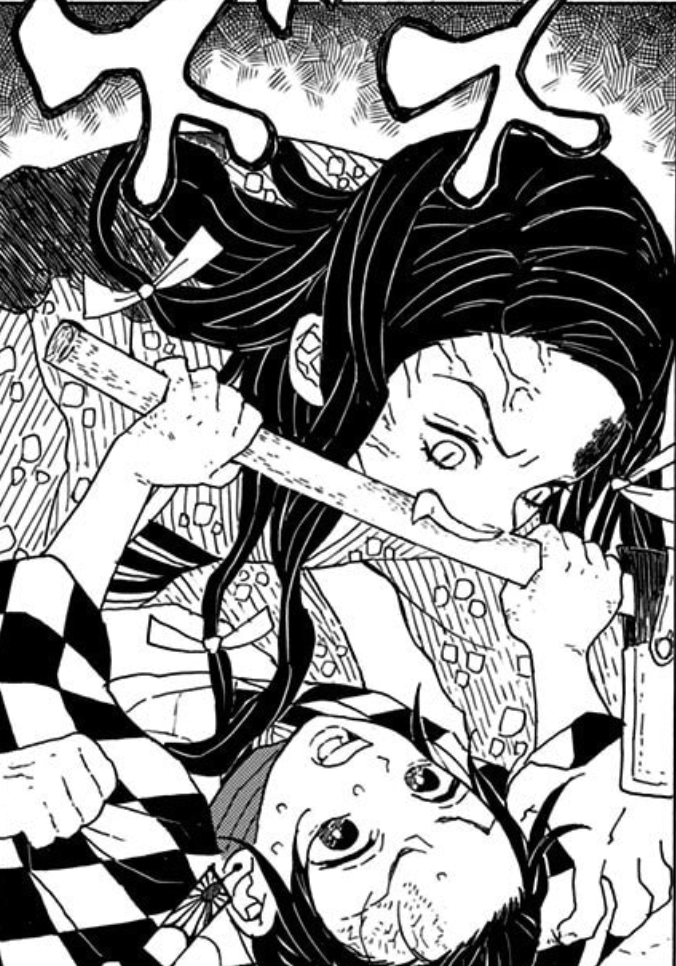
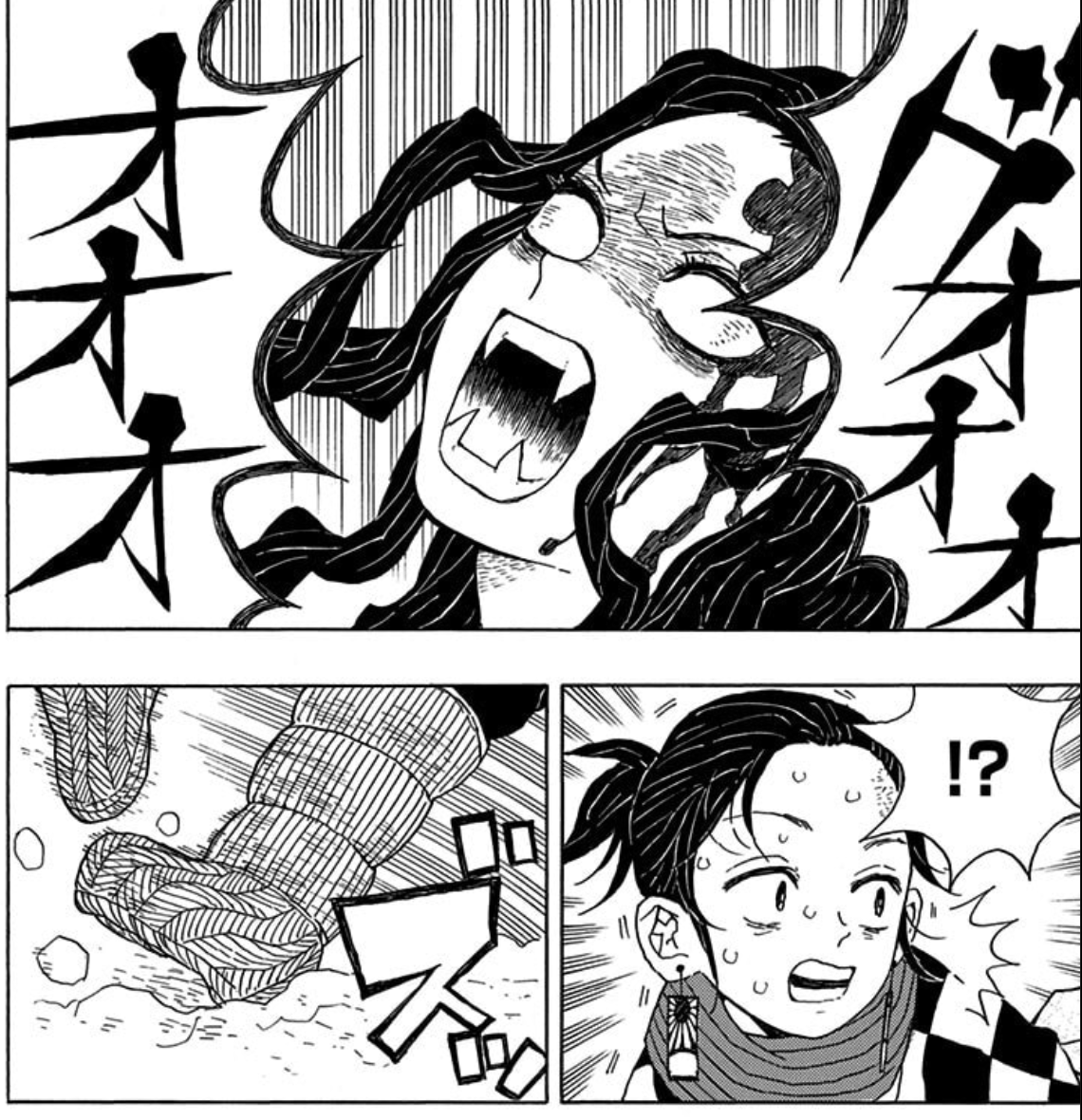
As a doctor, the scene I actually think about is the needlestick-injury consult. “Someone else’s blood enters a wound and you become something else” is, medically, △–✕. But “something is transmitted through blood” — that part is real.
For bloodborne infection, per-exposure transmission risk after a percutaneous stick runs roughly 6–30% for HBV, ~1.8% for HCV, ~0.3% for HIV (Beltrami et al., Clinical Microbiology Reviews 2000). Blood mostly carries pathogens. What about whole cells? In transfusion-associated graft-versus-host disease (TA-GVHD), donor lymphocytes engraft in the recipient and attack their tissues, with mortality around 90–100% (Kopolovic et al., Blood 2015). That’s the closest real thing to “another being’s cells move in” — and it’s a catastrophic disease, not a species change.
Blood is not a medium for rewriting your whole genome. What travels is infection and immune reaction — not personality, not species. I’ll say that plainly.
Verdict: △–✕. Blood transmitting information or cells: true. Rewriting your species or character: fiction. The real neighbor is infection and TA-GVHD — a disease, not a transformation.
Takeaway: Blood carries pathogens and other people’s cells — not your “personality” or your “species.”
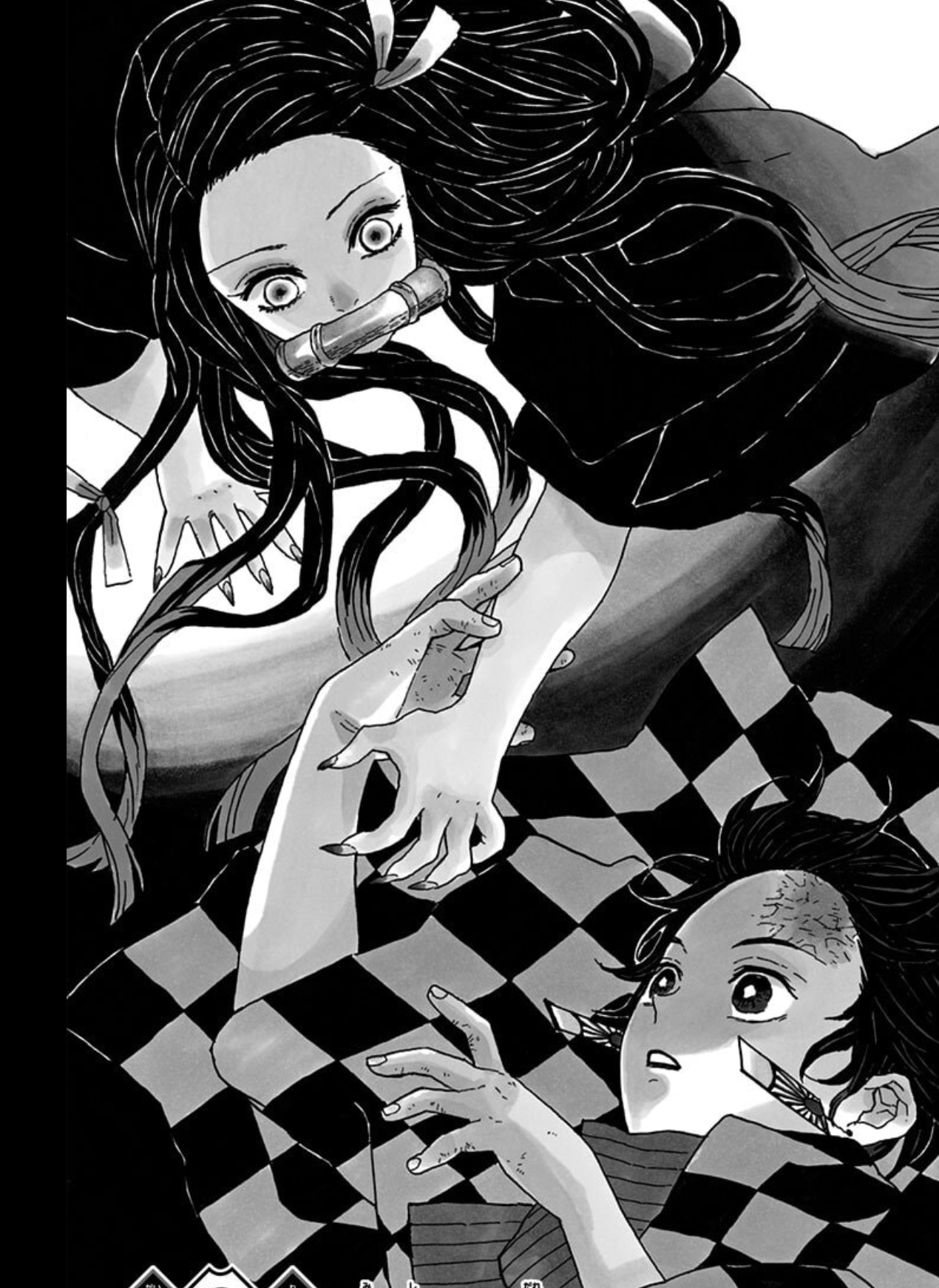
Scene 3 | Recover by sleeping, not eating — can a human live like that? Sleep repairs you; it won’t feed you.
As a demon, Nezuko goes long stretches without eating like a person, sleeping deeply, and wakes up restored. No food, no water — and yet sleep seems to refill her tank. It’s played against Tanjiro’s very human bewilderment at a sister who won’t eat or drink.
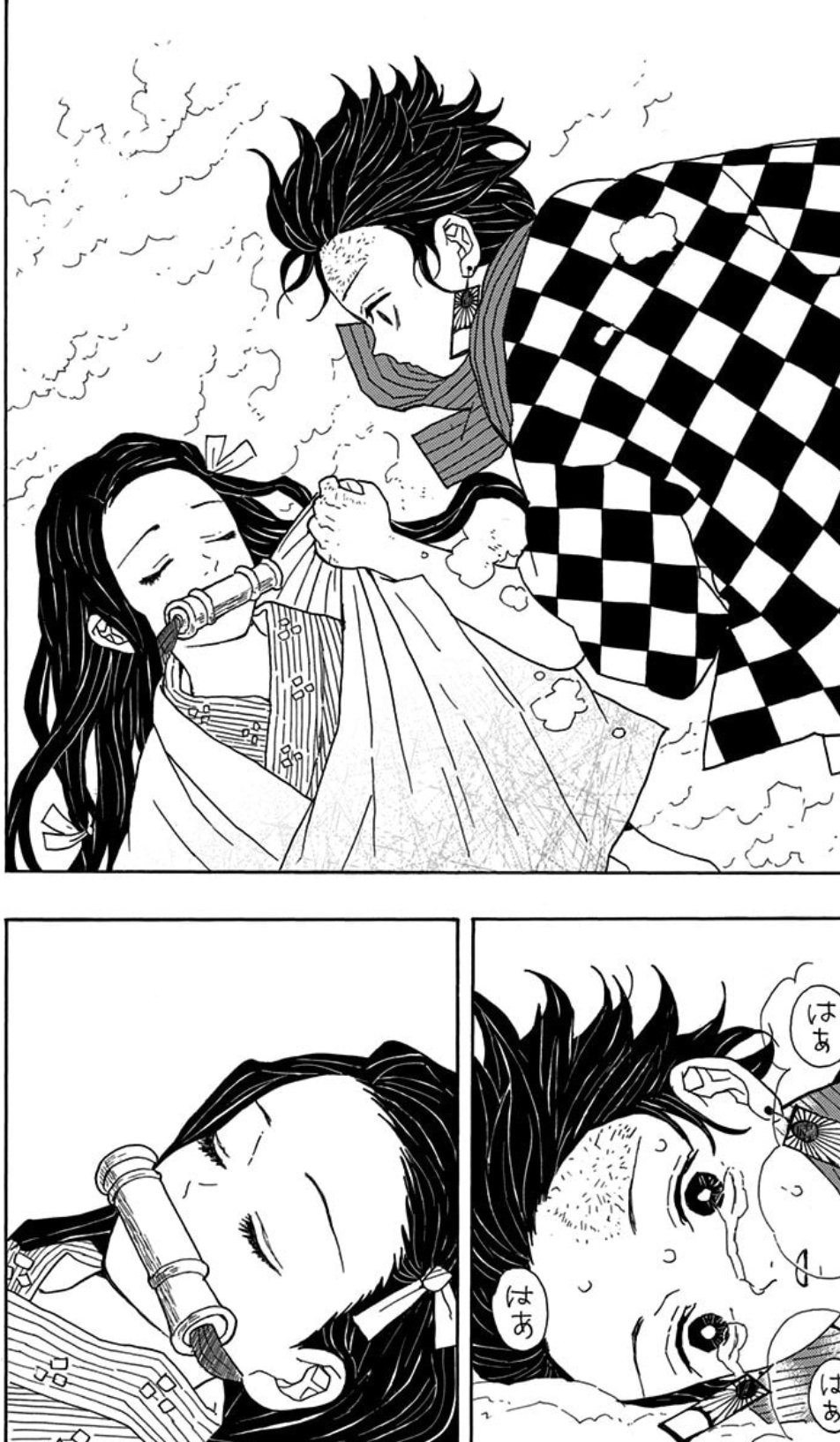
The enviable part is “recover by sleeping instead of eating.” Humans do not get that deal.
Glycogen stored in liver and muscle is only a few hundred grams and runs down in about 3–4 days of fasting (textbook physiology). After that, fat-derived ketones become the brain’s main fuel, and for a lean, average build, total-fast survival tops out around three months — far less without water (Rebello et al., International Journal of Obesity 2025). A body that refills on sleep alone is, at minimum, not human. Nezuko is fully on the demon side of the ledger.
But “sleep = repair” is real. Growth-hormone release is tightly locked to the deep sleep right after you fall asleep (slow-wave sleep), with most of the day’s secretion front-loaded into the first half of the night, tied to tissue repair and anabolism (Van Cauter et al., Sleep 1998). So “sleep fixes the body” — true. “Survive on sleep without eating” — fantasy. What you burn by staying up late is exactly this repair window.
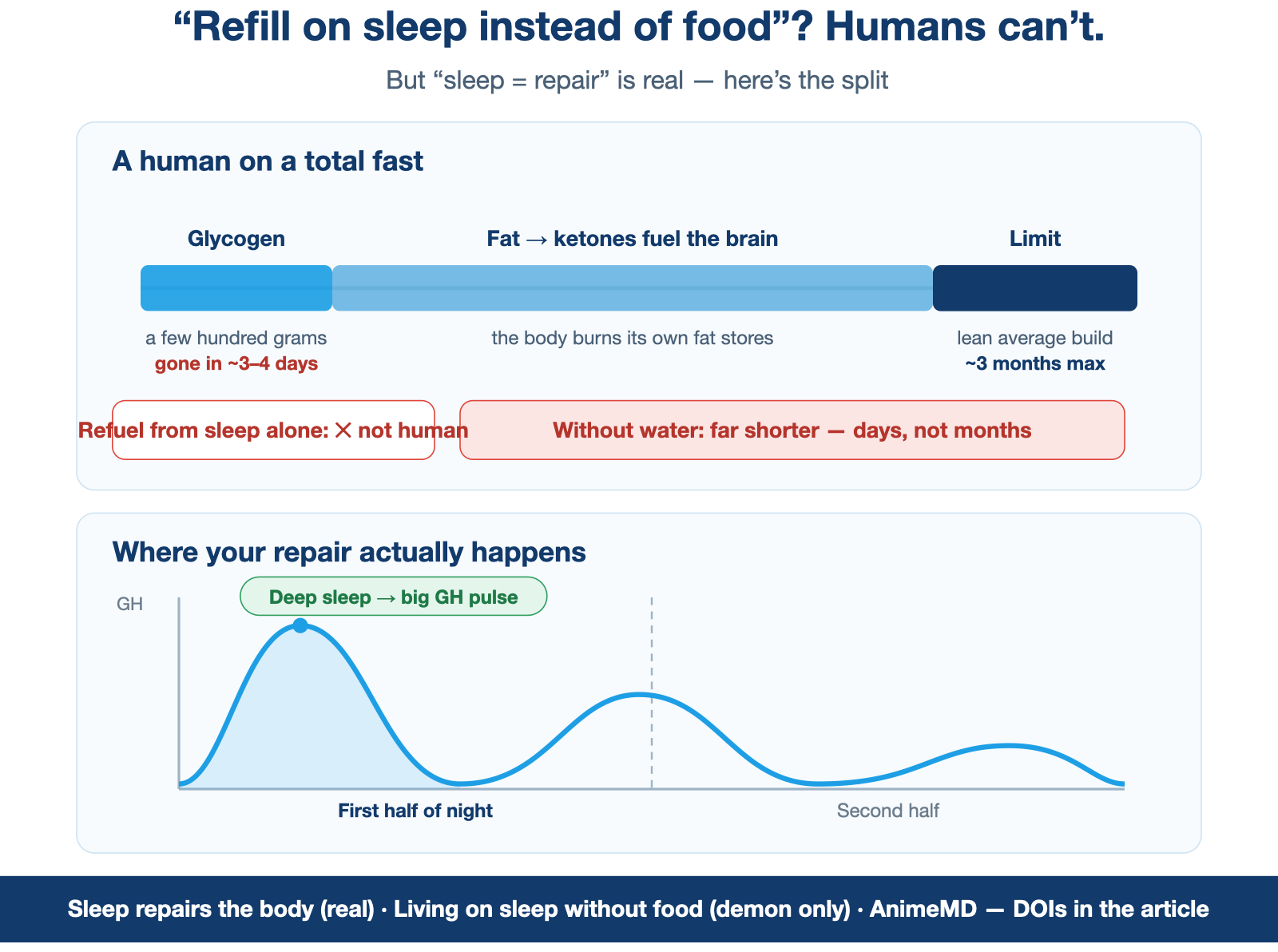
Verdict: ✕ fantasy (but the sleep-repair part is true). No human refills on sleep alone; deep-sleep growth hormone and tissue repair, however, are very real.
Takeaway: Your body really does repair itself while you sleep. Living on sleep without food is a demon-only perk.
 Dr. Water
Read that back: your body runs its repair shift while you sleep — growth hormone clocks in during that first deep stretch. Pull an all-nighter and you’re the one who skips the repairs. 😴
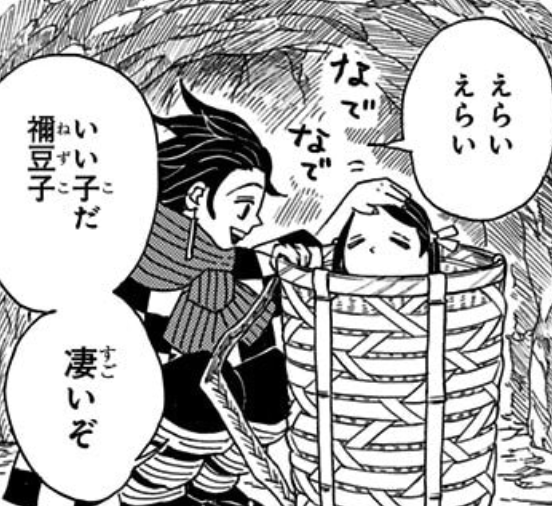
Scene 4 | Training under Urokodaki — how fast can it make you strong? First your wiring, then your muscle.
Tanjiro apprentices under Sakonji Urokodaki and grinds through brutal drills — dodging traps down a mountain, swinging a blade endlessly. Winded at first, then sharper and sharper, until his body can take on a boulder. Volume 1’s training arc.
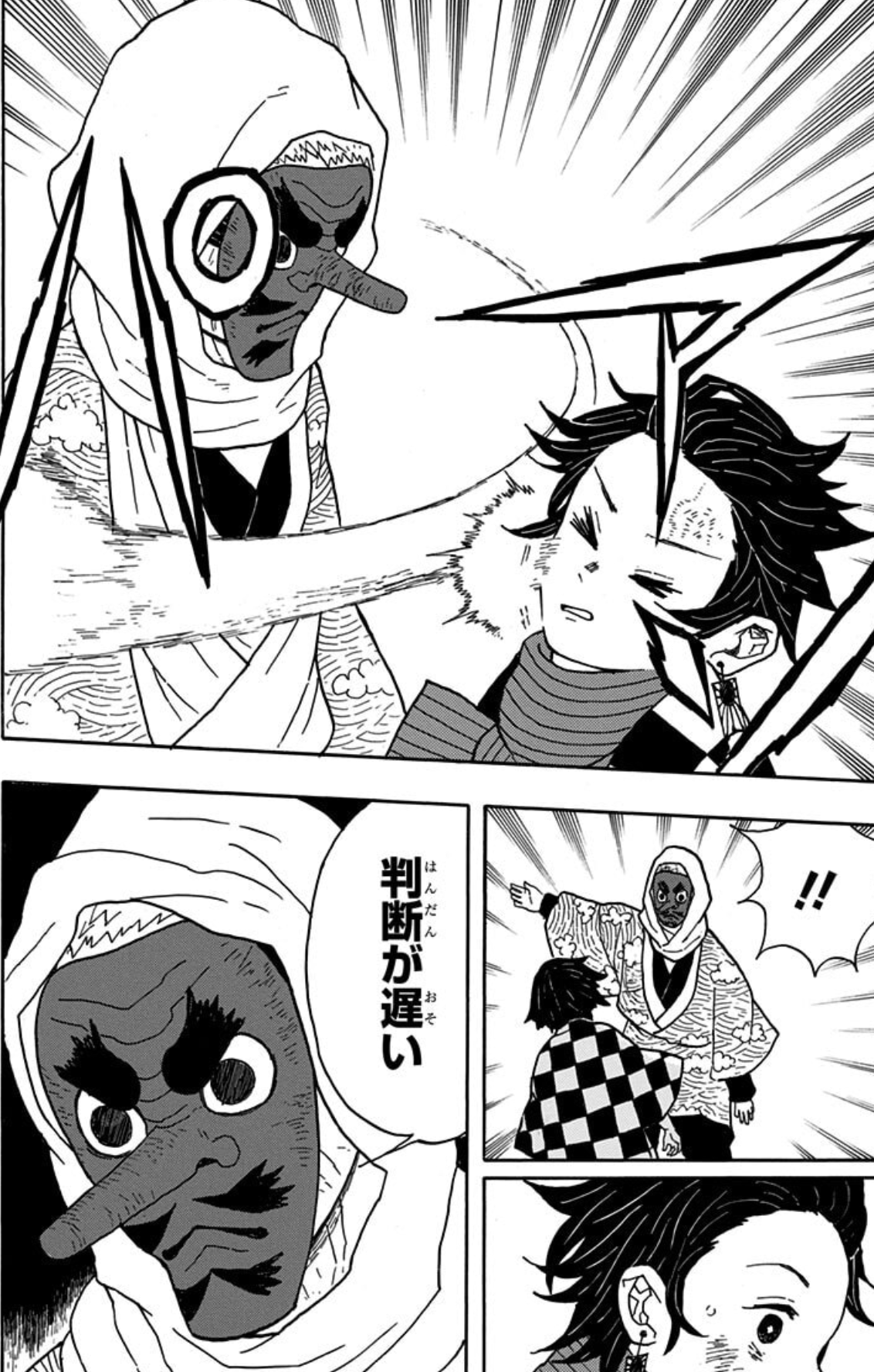
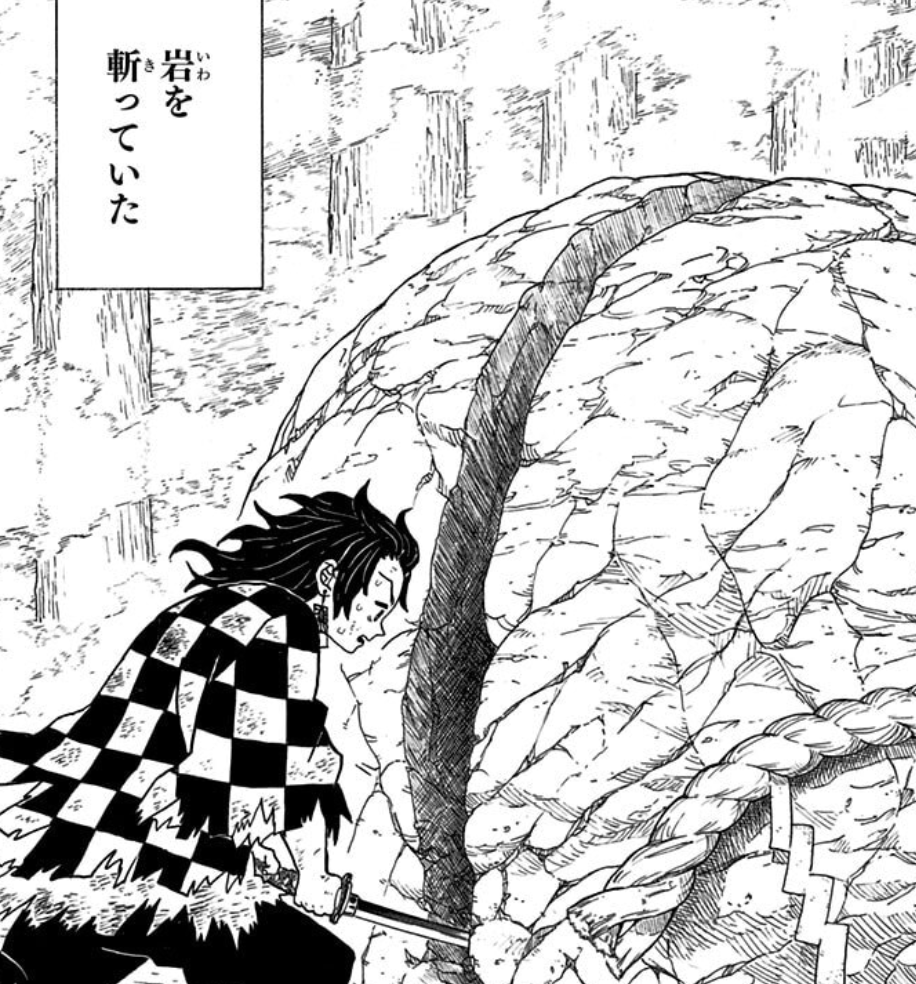
In occupational-medicine terms: for the first few weeks, what gets stronger isn’t the muscle — it’s the wiring.
Early gains in strength and reaction are explained less by muscle growth than by neural adaptation — more motor units recruited, higher firing rates, less antagonist co-contraction (Folland & Williams, Sports Medicine 2007). In fact, in leg training, corticospinal excitability rises before muscle thickness or peak strength (Wilson et al., European Journal of Applied Physiology 2023). Visible “size” generally kicks in after several weeks, and protein synthesis translates into hypertrophy only once the muscle damage settles (Damas et al., The Journal of Physiology 2016).
So Tanjiro getting sharp quickly makes sense as neural learning. Cutting a boulder, though, is years of accumulation in the real world — and the story does, in fact, spend those years on it. Quietly honest of them.
Verdict: ○ partly true. Training genuinely improves reaction and strength, and early gains are mostly neural. But “cut a boulder” needs a physiological ceiling and years — which the story actually spends.
Takeaway: Training upgrades the nerves first; the muscle grows later. Speed is neural; size is measured in months.
Scene 5 | “Total Concentration Breathing” — does breathing more make you stronger? Your oxygen trucks are already full.
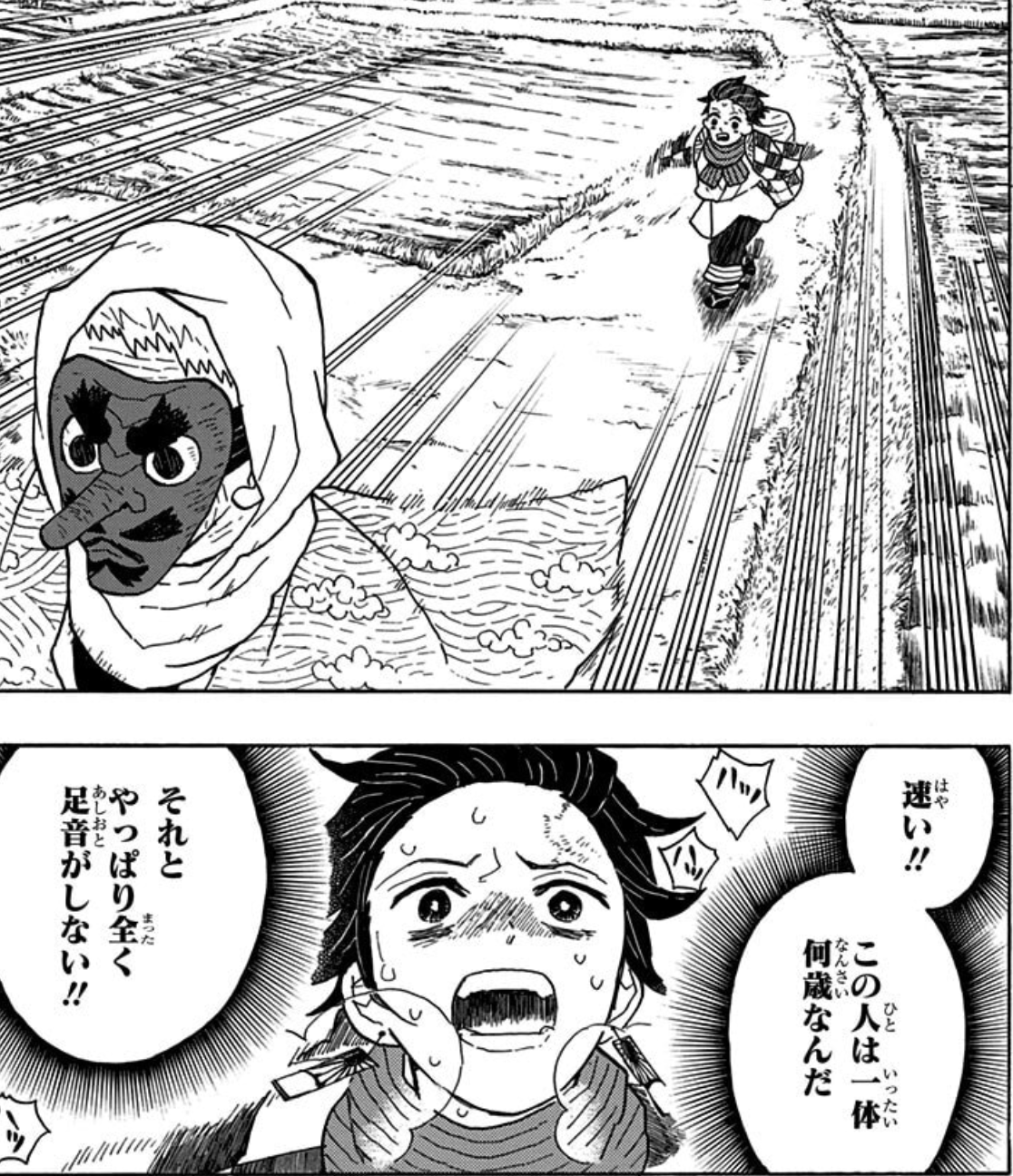
In Chapter 5, mid-training on Mt. Sagiri, a masked girl named Makomo teaches Tanjiro Total Concentration Breathing — the idea that circulating the air you breathe through your blood raises your physical ability itself. Which raises the obvious question: so if you just breathe in more and more, do you keep getting stronger? This is the engine the whole series runs on.
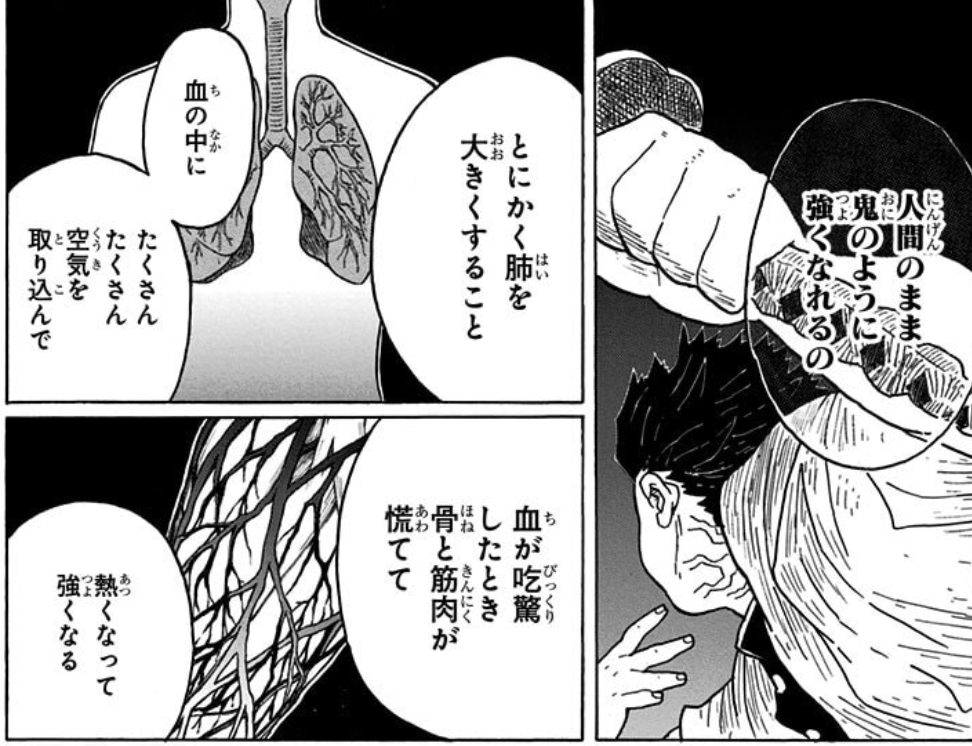
“Breathe in air, send it through the blood, and boost the body.” — I start to nod, and then, hold on, the doctor in me cuts in. It’s already full.
Here’s what years of squinting at hundreds of oxygen-saturation readings taught me: at rest, a healthy person’s blood oxygen saturation sits at roughly 97–100% (textbook fact). The oxygen-delivery trucks are already loaded. “So can’t I just top it up with a big deep breath?” — I get the urge; I thought so for a second too. But saturation cannot exceed 100% (Lujan et al., Advances in Physiology Education 2022). Yelling “let more people in!” at a sold-out theater. Physically, no.
And here’s the mean part: over-breathing (hyperventilation) actually backfires. It drops blood CO₂, tips you alkaline, and via the Bohr effect hemoglobin clings to its oxygen — so the harder you helpfully gulp air, the less reaches the tissues. The “more air = more power” equation caps out embarrassingly fast.
And yet — having just demolished the whole thing (who was nodding along a second ago?) — using breath to steady your nervous system and focus is a completely separate story. Volume is one conversation; quality is another. Let’s not confuse them.
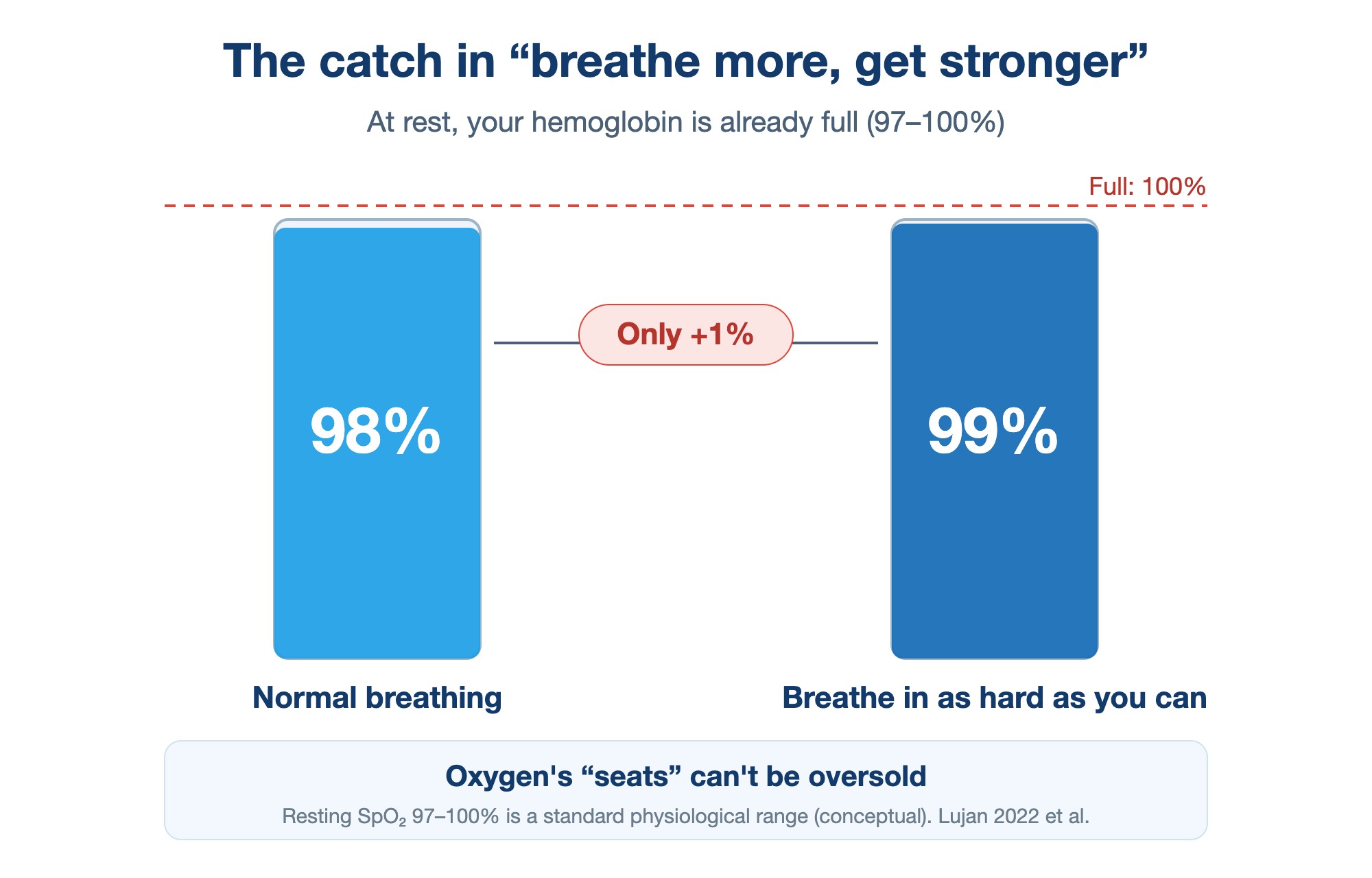
Verdict: ✕ fantasy (with a grain of truth). “Breathe more, get infinitely stronger” fails because resting oxygen is basically maxed out. But breathing to regulate the autonomic nervous system and focus? That I won’t dismiss.
Dr. WaterI nodded along too — for about one second. Then it hit me: at rest your blood oxygen is already sold out near 100%. You can’t top off a full tank by huffing harder. 🫁
Takeaway: At rest your hemoglobin is already sold out — “breathe more, get stronger” hits the delivery ceiling.
Scene 6 | The Hand Demon regrows — how far can a human? Your liver and a fingertip. That’s the whole list.
Later in Volume 1, the Final Selection. On Mt. Fujikasane, Tanjiro faces a large, many-armed demon (the “Hand Demon”). Cut the torso and it’s not fatal; the body snaps back. The only reliable kill is severing the neck with a Nichirin blade. “Breaks and returns to normal” is drawn as the defining line between demon and human.
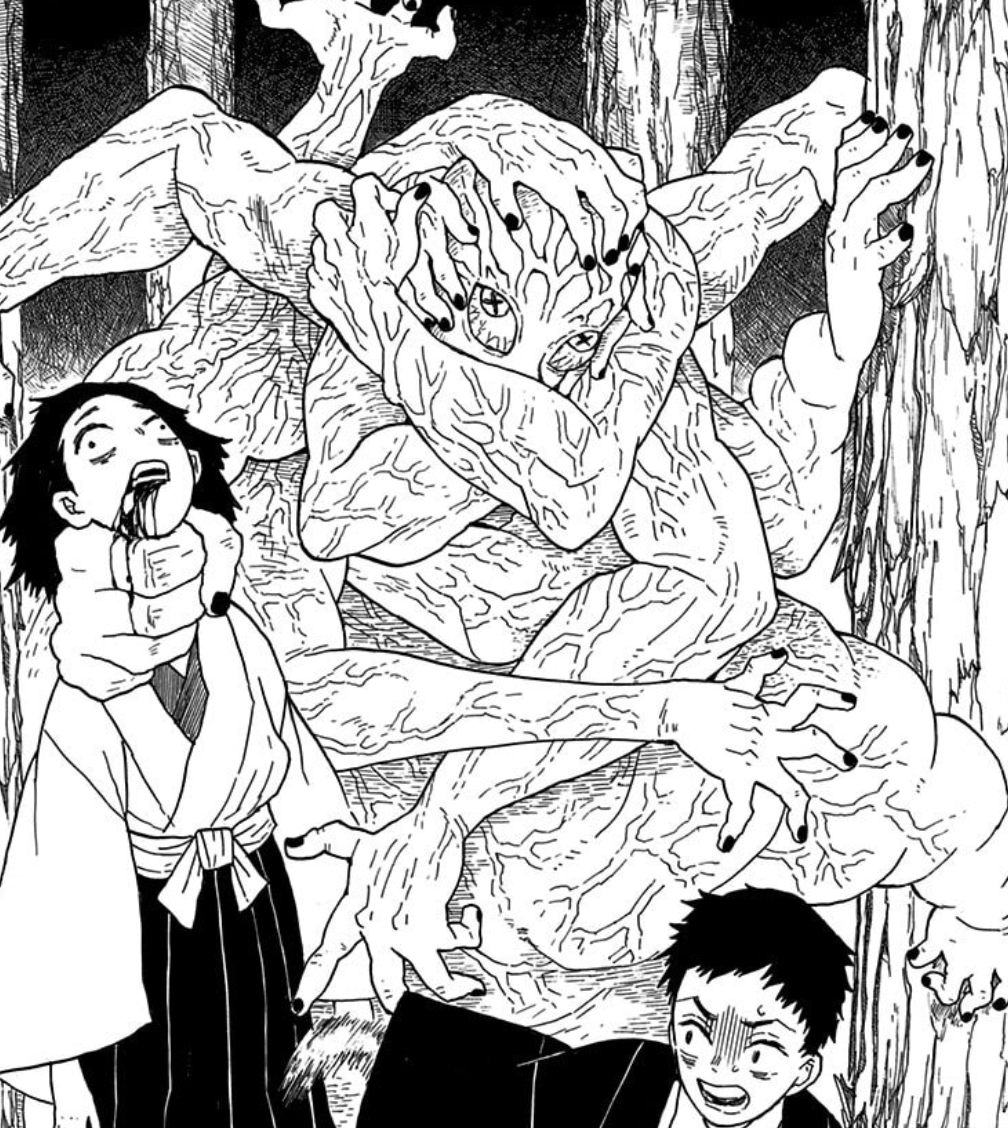
Cut it and it heals; grow extra arms. Lovely — but human regeneration is nowhere near that generous.
Baseline physiology: deep wounds don’t come back as-new; they fill in with fibrosis — scar (textbook fact). The famous exception is the liver, where remaining cells proliferate after partial resection to restore mass. But that’s not true shape-restoring regeneration; it’s closer to compensatory growth (Liu et al., Clinical and Translational Medicine 2024 / Jiang et al., The FEBS Journal 2023).
Limbs and torsos are a different story: mammals can’t build the “blastema” — the regeneration command center amphibians make — so wounds default to scar. The one thing humans regrow that even looks the part is limited fingertip (distal tip, nail included) regeneration, driven by nail-derived cells and Wnt/BMP signaling (Storer & Miller, Open Biology 2020). So “lose an arm, sprout a new one” is basically fantasy. The Hand Demon’s “breaks and returns” is the exact opposite of the scar-and-settle reality of being human. (I can’t regenerate, so I just, you know, see a doctor.)
Verdict: ✕ mostly fantasy. Human regeneration tops out at the liver’s compensatory growth and a fingertip. Regrowing a severed arm or adding body parts: doesn’t happen.
Takeaway: The only things a human truly regrows are the liver (compensatory growth) and fingertips. Arms settle for a scar; the demon’s regeneration is fantasy.
Scene 7 | ⚠️ Fighting all night in the snow — can willpower beat sleep loss and cold? No. This is the swing-a-sword-tipsy zone.
(A serious note now. This is the most important part today.)
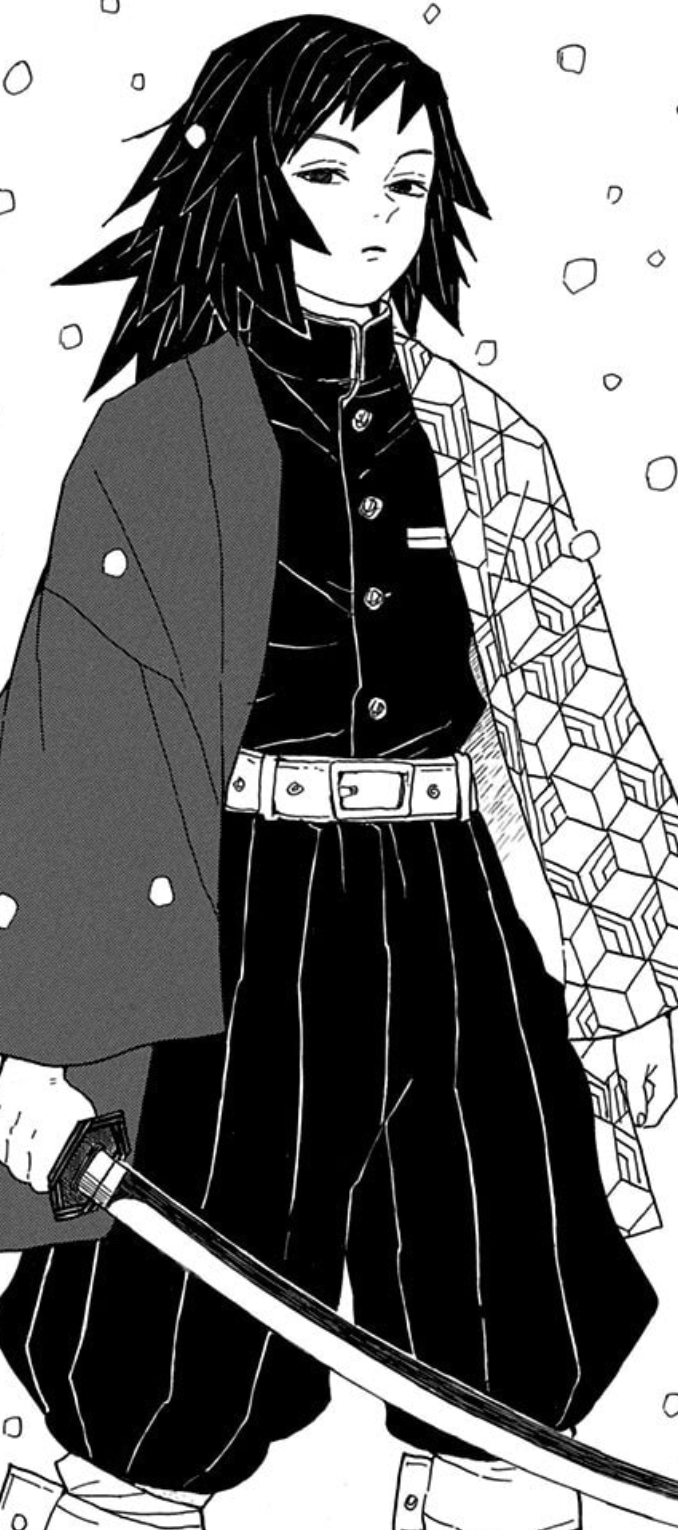
The Final Selection is set on Mt. Fujikasane, where demons are penned in. Challengers must survive from dusk to dawn for several days, and Tanjiro fights in the falling snow — no sleep, no rest, body heat bleeding away. All-night tension and cold, where a single lapse ends you. A life-or-death endurance trial.
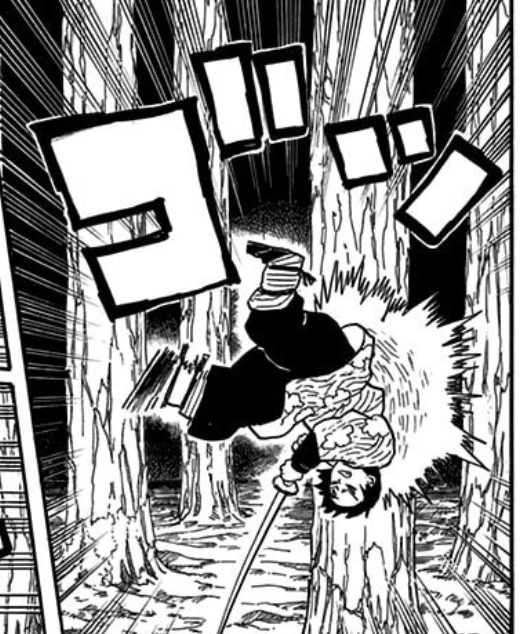
Medically, this scene comes down to one line: “I’m amazed he made it back alive.”
First, sleep loss. Performance after ~17 hours awake can drop to the level of a 0.05% blood alcohol concentration (Dawson & Reid, Nature 1997); longer deprivation has been reported to impair cognition and motor function to a 0.1% (legally drunk) equivalent (Williamson & Feyer, Occupational and Environmental Medicine 2000). So Tanjiro’s judgment and reaction time, fighting through the night, are — on paper — close to swinging a sword tipsy.
Now add snow and cold. In hypothermia, as core temperature falls, impaired judgment, loss of fine motor control, and clouded consciousness progress in stages, and can become fatal (Brown et al., New England Journal of Medicine 2012). Shivering burns energy, fingers go numb, the brain begs for sleep — sleep loss and cold weaken a human independently and synergistically. (“A night of adrenaline keeps you sharp” is a transient sympathetic response; the fatigue itself is not cancelled — textbook fact.)
As fiction, it’s thrilling. In real climbing or night-shift work, it’s a genuinely dangerous combination. I won’t make a joke of this one.
Dr. WaterThis is the one I say with a straight face: an all-nighter in the cold isn’t grit — it’s a drunk-and-freezing brain. Please don’t try to out-willpower your own physiology. 🙏
Verdict: ⚠️ dangerous. Guts don’t stop sleep loss or hypothermia. Copy this in real life and you risk your life to impaired judgment and cold. This is the safety-warning zone.
Takeaway: All-nighter + cold ≈ “taking on a hard climb, drunk and freezing.” Sleepiness and cold aren’t beaten by willpower — you manage them with physiology.
▶ Related check-up: I put a whole “fight with no sleep” body on the table in “Can a ninja fight with no sleep?” — the sleep-debt bill comes due there too.
The scorecard: Volume 1 really was all about the body
| # | Scene (Vol. 1) | Medical point | Verdict |
|---|---|---|---|
| 1 | Tanjiro’s nose (Ch. 1) | Human olfaction / disease by smell | ○ partly true |
| 2 | Blood → Nezuko turns (Ch. 1) | What blood transmits (infection, TA-GVHD) | △–✕ |
| 3 | Recover by sleeping, not eating (Ch. 1–2) | Fasting physiology & sleep repair | ✕ (repair is real) |
| 4 | Training under Urokodaki | Gains = neural adaptation first | ○ partly true |
| 5 | Total Concentration Breathing (Ch. 5) | The oxygen-delivery ceiling | ✕ (breath regulation has merit) |
| 6 | Hand Demon regeneration (Final Selection) | Limits of human regeneration | ✕ mostly fantasy |
| 7 | All-night fight in the snow | Sleep loss + cold exposure | ⚠️ dangerous |
Reading it through, here’s what surprised me: Demon Slayer Volume 1 is a weirdly honest textbook on the body. The exaggerations are exaggerations, but there’s real physiology underneath. Breathing, blood, training, regeneration, sleep loss — all of it is, also, a story about your body.
Wrap-up
One volume, read cover to cover through a doctor’s eyes. If I boil it down to three takeaways:
- Your status leaks as smell / your body repairs in sleep — Tanjiro and Nezuko are right here. Your nose and your sleep are on your side, in real life.
- Blood won’t change your personality / arms don’t regrow / breathing more won’t make you stronger — the demon-and-breath “superpowers” all crash into a physiological ceiling.
- And all-nighters + cold: please don’t power through them. This is the one I mean straight. Sleepiness and cold are handled with physiology, not grit.
Manga is a doorway into how strange the human body is. And the real body is far more interesting than you’d guess. From Volume 2 on, I’ll keep reading it through the “body.”
See you at the next check-up.
📚 Read today’s source the legit way on the official Manga Plus (VIZ).
📚 Following the series? This was 〈Body-Check #01〉. More anime, fact-checked by a doctor, is on the way. Get each new check-up in your inbox — subscribe free.
Dr. Water — physician; covers preventive medicine and a slightly unhealthy amount of manga.
Frequently Asked Questions
Can humans really smell sickness or danger the way Tanjiro does in Demon Slayer?
Human smell is far more capable than most people assume, but not quite at Tanjiro’s level. Research suggests people can distinguish well over a trillion different odors, and disease genuinely does show up as scent — trained dogs can detect cancer from volatile organic compounds in breath and tissue. Untrained humans sensing danger and blood with Tanjiro’s precision, though, is closer to dog- or sensor-level detection than realistic human ability.
Does breathing more deeply or more often make your body physically stronger, like the breathing techniques in Demon Slayer?
No — at rest your blood is already close to fully oxygen-saturated, so pulling in extra air can’t add more oxygen to it, similar to how a sold-out theater can’t seat more people. Breathing harder can even backfire: over-breathing lowers blood CO₂ and, through a chemical effect, makes it harder for oxygen to actually reach your tissues. Using breath to calm your nervous system and focus is a separate, legitimate benefit.
Can you push through an all-nighter in the cold on willpower alone, the way characters do in the Final Selection?
No — this combination is genuinely dangerous in real life. After about 17 hours awake, judgment and reaction time can fall to roughly the level of being legally drunk, and adding cold on top brings hypothermia, which further impairs judgment, coordination, and consciousness as it progresses. Sleep loss and cold weaken the body independently and together, so this should be managed with rest and warmth, not treated as a test of grit.
Disclaimer 1 | Medical
This article is general, educational medical commentary sparked by a work of entertainment. It is not medical advice and not intended to diagnose or treat. Reading it creates no doctor–patient relationship. For any health decision, consult your own physician. The author is a doctor, but these views are general and personal, and the author is not your doctor. Do not imitate depicted scenes (hyperventilation/breath-holding, sleep deprivation, prolonged activity in the cold, fasting). In particular, never hyperventilate or breath-hold in or near water.
Disclaimer 2 | Copyright & Non-Affiliation
This site is an independent, unofficial fan commentary/criticism work. It is not affiliated with, endorsed by, or sponsored by any anime/manga studio, publisher, author, or rights holder. All titles, characters, logos, and trademarks belong to their respective owners and are referenced here solely for identification, commentary, and criticism. Manga panels are used under the fair use doctrine (17 U.S.C. §107) for criticism and commentary only, in the minimum necessary amount, each with its source cited and each because the depicted scene is itself the subject of medical analysis. Rights holders with concerns: please contact us and we will respond promptly and, if appropriate, remove the material.
References
- Bushdid C, et al. Humans Can Discriminate More than 1 Trillion Olfactory Stimuli. Science. 2014;343(6177):1370–1372. doi:10.1126/science.1249168
- Brooks SW, et al. Canine Olfaction and Electronic Nose Detection of Volatile Organic Compounds in the Detection of Cancer. Cancer Investigation. 2015;33(9):411–419. doi:10.3109/07357907.2015.1047510
- Beltrami EM, et al. Risk and Management of Blood-Borne Infections in Health Care Workers. Clinical Microbiology Reviews. 2000;13(3):385–407. doi:10.1128/cmr.13.3.385
- Kopolovic I, et al. A systematic review of transfusion-associated graft-versus-host disease. Blood. 2015;126(3):406–414. doi:10.1182/blood-2015-01-620872
- Rebello CJ, et al. From starvation to time-restricted eating: a review of fasting physiology. International Journal of Obesity. 2025;49(2):219–231. doi:10.1038/s41366-024-01641-0
- Van Cauter E, et al. Age-related changes in slow wave sleep and REM sleep and relationship with growth hormone and cortisol levels. Sleep. 1998 (as cited). doi:10.1093/sleep/21.6.553
- Folland JP, Williams AG. The Adaptations to Strength Training: Morphological and Neurological Contributions to Increased Strength. Sports Medicine. 2007;37(2):145–168. doi:10.2165/00007256-200737020-00004
- Wilson et al. Corticospinal excitability adaptations to strength training. European Journal of Applied Physiology. 2023. doi:10.1007/s00421-023-05201-8
- Damas F, et al. Resistance training-induced changes in integrated myofibrillar protein synthesis are related to hypertrophy only after attenuation of muscle damage. The Journal of Physiology. 2016;594(18):5209–5222. doi:10.1113/JP272472
- Lujan HL, et al. Oxygen transport and the roles of hemoglobin. Advances in Physiology Education. 2022. doi:10.1152/advan.00093.2022
- Liu et al. Liver regeneration. Clinical and Translational Medicine. 2024. doi:10.1002/ctm2.1812
- Jiang et al. Mechanisms of liver regeneration. The FEBS Journal. 2023. doi:10.1111/febs.16930
- Storer MA, Miller FD. Cellular and molecular mechanisms that regulate mammalian digit tip regeneration. Open Biology. 2020;10(9):200194. doi:10.1098/rsob.200194
- Dawson D, Reid K. Fatigue, alcohol and performance impairment. Nature. 1997;388:235. doi:10.1038/40775
- Williamson AM, Feyer AM. Moderate sleep deprivation produces impairments in cognitive and motor performance equivalent to legally prescribed levels of alcohol intoxication. Occupational and Environmental Medicine. 2000;57(10):649–655. doi:10.1136/oem.57.10.649
- Brown DJA, et al. Accidental Hypothermia. New England Journal of Medicine. 2012;367(20):1930–1938. doi:10.1056/NEJMra1114208
🩺 Your check-up is over — but the clinic is always open
📚 This clinic has a sequel. 14 legendary monsters — vampire, zombie, werewolf and more — properly diagnosed by a real doctor. The book this blog grew into, with new write-ups added. → Get it on Amazon — $3.99 / free on Kindle Unlimited
💌 Free newsletter — new diagnoses delivered to your inbox, no appointment needed. → Subscribe on Substack
▶️ Prefer video? Watch the diagnoses on YouTube. → The Anime MD


Comments